Silence in the Bamboo Alleys: Slow Days in Kyoto
Published by Editorial Desk • October 14, 2024
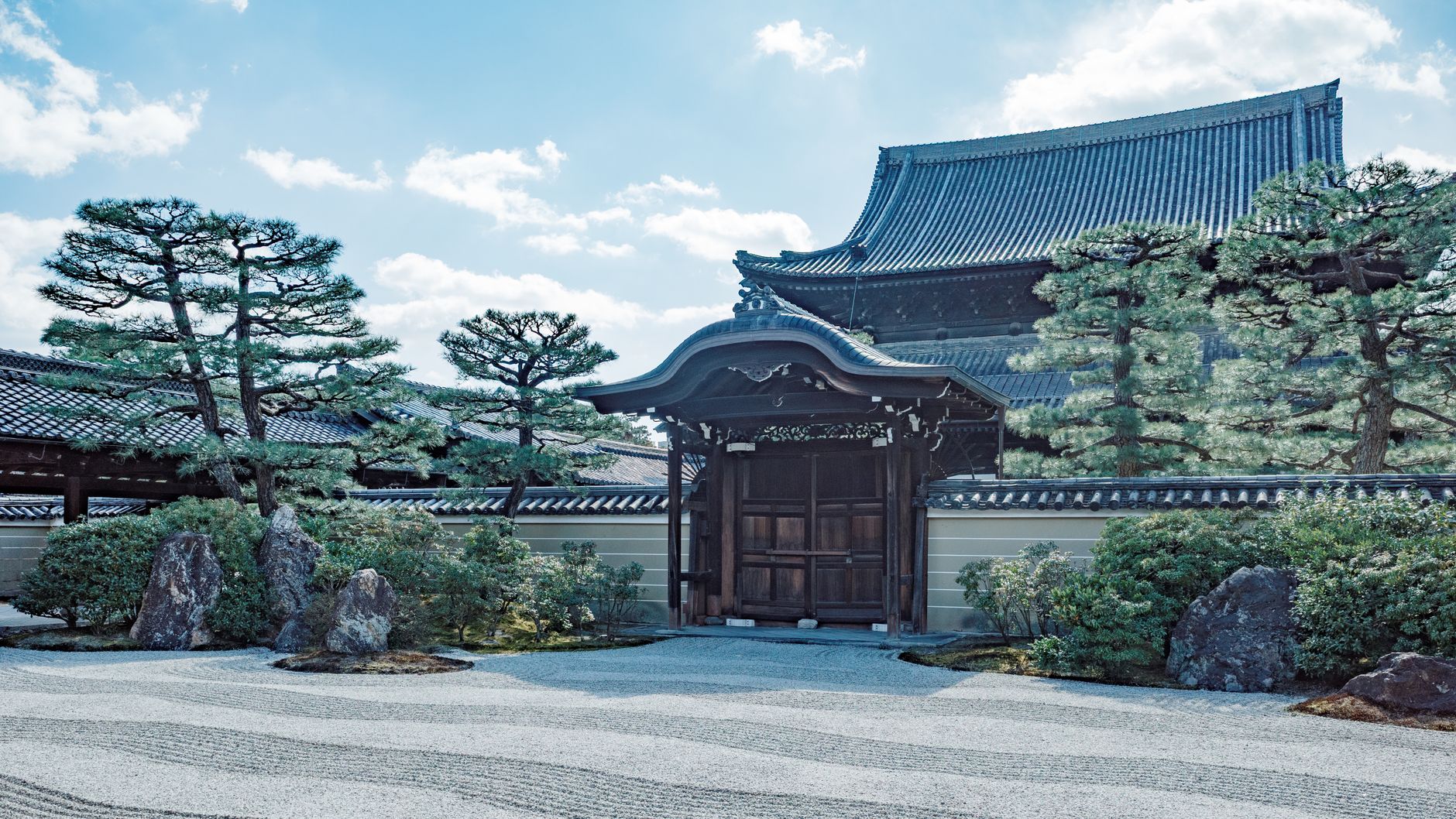
Table of Contents
The morning light in Kyoto does not arrive abruptly; it dissolves softly through layers of mountain cedar vapor, turning the charcoal rooftops of the northern wards into delicate ink drawings. While millions traverse the city’s iconic tourist gates, a parallel metropolis of absolute stillness exists for those who awaken before the temple bells strike six.
1. The Mist of Morning at Daitoku-ji
Within the walled sub-temples of Daitoku-ji, the raked gravel reflects gray sky like still water. Here, Zen abbot monks begin their silent sweepings, each movement deliberate and musical against the stone. Walking along the flagstones with socks damp from morning moisture, one understands that Japanese garden design is not about decoration, but about sculpting void and presence.
"Empty space inside a Japanese chamber is not an absence, but a canvas awaiting the shadow cast by an afternoon branch."
2. Living Inside Wood and Paper
We stayed in a restored 120-year-old wooden merchant townhouse (machiya) tucked along a narrow canal in Kamigyo ward. Rather than luxury marked by gilded marble, the house offered luxury of thermal texture: tatami woven from natural rush grass, hand-planed cypress woodwork, and shoji screens that diffuse the afternoon sunlight into warm honey tones. The courtyard garden, scarcely larger than a dining table, harbored three varieties of moss that flourished under gentle autumn rains.
3. The Discipline of Kaiseki
In a dining room with only five seats overlooking a miniature waterfall, Chef Yoshihiro served a seasonal sequence calibrated to the lunar calendar: young sweetfish grilled over binchotan charcoal, broth infused with kombu harvested from northern Hokkaido, and wild yuzu peel shaved with surgical precision. Each vessel was an antique ceramic piece collected from deceased potter estates in Bizen and Shigaraki.
4. Mindful Traveler's Notes
- Best Season: Mid-November for maples or late May for lush verdant moss without seasonal humidity.
- Transport: Rent an unadorned commuter bicycle; Kyoto is remarkably flat and easily crossed via side canals.
- Etiquette: Never photograph monks without express consent, and preserve hushed voices inside sub-temple compounds.

Clara Vance
Senior Architecture Correspondent • Tokyo & New York