High Altitude Refuges: Architectural Serenity in the Dolomites
Published by Editorial Desk • November 02, 2024
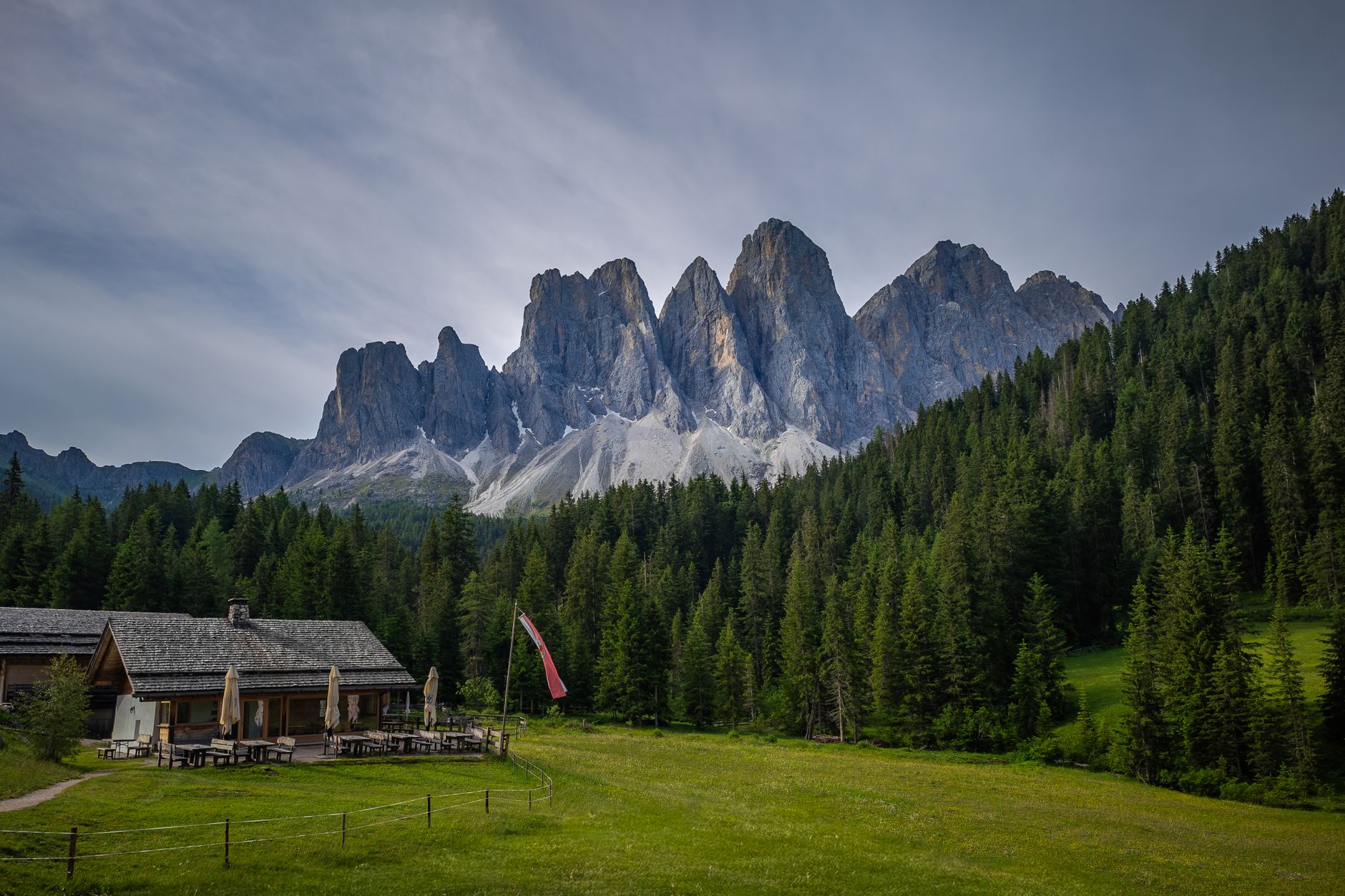
Table of Contents
The Dolomites rise from the meadows of northern Italy not like gentle mountain ranges, but like fossilized cathedrals of coral limestone. At sunset, when the enrosadira phenomenon casts fiery pink and apricot hues across the sheer rock faces, the landscape feels utterly prehistoric.
1. The Vertical Realm of South Tyrol
Here, Germanic orderliness meets Mediterranean grace. Villages in the Val Badia maintain centuries-old Ladin linguistic customs, crafting intricate wooden balconies and smoking cured meats over pine embers. Hiking between refuges (rifugi) allows travelers to experience this altitude without relying on congested valley highways.
"Architecture at 2,500 meters is an act of humility. If a structure attempts to shout over the cliffside, the mountain invariably mocks it."
2. Contemporary Larch and Glass
Over the past decade, a quiet architectural movement has elevated the humble alpine cabin into striking, carbon-neutral works of art. Using local weathered larch shingles, rammed earth foundations, and triple-glazed panoramic apertures, these shelters frame jagged spires while maintaining self-sufficient geothermal warmth.
3. High Elevation Gastronomy
Forget standard hiker gruel. Rifugi in Alta Badia collaborate directly with Michelin-starred regional chefs. Lunches include buckwheat ravioli filled with wild mountain herbs, paired with biodynamic Lagrein wines grown in the steep limestone vineyards below Bolzano.
4. High Trail Advisory
- Elevation Warning: Rapid weather shifts occur in September; always carry windproof waterproof shells.
- Stay Duration: Spend at least three consecutive nights at altitude to acclimate and witness dawn illumination.
- Booking: Reserve refuge quarters 6 to 9 months ahead of peak summer traversing.

Julian Thorne
Alpine Expedition Editor • Zurich